
English| USD
Suggested for you
More currencies
Choose a language
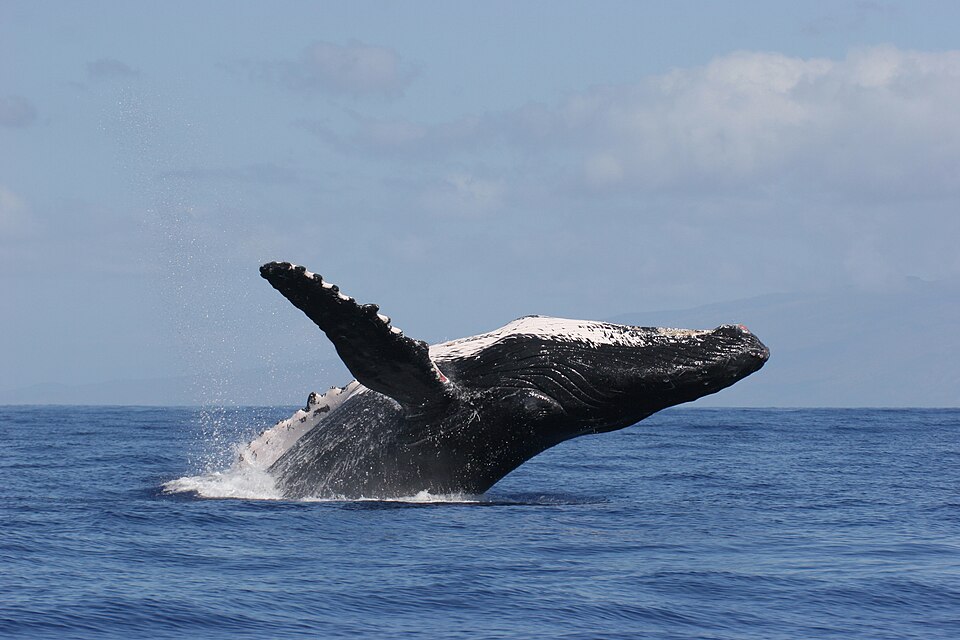
Humpback whales follow a 10,000-kilometre annual migration along Australia's western coastline, passing Kalbarri's rugged cliffs twice each year. The northbound and southbound legs create distinct viewing windows between June and October, each offering different behaviours and weather conditions. Understanding these patterns helps you book the timeframe that matches your priorities.
Quick answer
The kalbarri whale watching season runs from late May through early November, with peak viewing concentrated between mid-June and late October. Humpback whales migrate north from Antarctic feeding grounds between June and August, then return southward with newborn calves from September through October. July offers the highest whale counts during the northbound journey, while September provides closer coastal approaches and more active surface behaviours as mothers guide calves north.
More than 35,000 humpback whales transit the waters off Kalbarri each year, making Western Australia's mid-coast one of the Southern Hemisphere's most reliable whale migration corridors. The phenomenon stems from Antarctic krill depletion in late autumn, driving whales toward tropical breeding grounds near the Kimberley region between June and August. By September, mothers with month-old calves begin the 6,000-kilometre return journey south, hugging the coastline more closely than northbound adults. The kalbarri whale watching season splits into two phases with contrasting conditions. Northbound migration from mid-June through August brings larger pod aggregations—often 15 to 30 whales visible from coastal lookouts simultaneously—but colder water temperatures and winter swells produce choppier seas. Morning departures between 09:00 and 11:00 offer the calmest windows, with offshore winds typically settling by midday. Southbound migration from early September through late October coincides with warming ocean temperatures and reduced wind speeds, creating flatter water that reveals breaching, tail-slapping, and spy-hopping behaviours at closer range. Cow-calf pairs frequently pause in sheltered bays, allowing prolonged observation from clifftop vantage points along Red Bluff and Rainbow Valley. Weather patterns directly shape daily success rates. Winter months bring frequent low-pressure systems from the Southern Ocean, with cloud cover peaking at 65 percent in July but reducing glare on the water surface—a trade-off that aids spotting blows and dorsal fins against grey seas. Spring conditions reverse this: September records 72 percent clear days, but midday sun glare between 11:00 and 14:00 can obscure whale activity. Coastal visibility extends beyond 15 kilometres on calm mornings, dropping to under five kilometres when afternoon sea breezes exceed 25 knots. Tour operators adjust departure schedules around Coral Coast swell forecasts, with cancellations rare but concentrated in late June and early July when Southern Ocean storm surges reach the continental shelf. Migration timing remains consistent across decades, governed by Antarctic ice melt cycles and tropical water temperature thresholds above 24°C. Humpbacks travel at 6 to 8 kilometres per hour when migrating, slowing to under three kilometres per hour when nursing or resting. Northbound whales pass Kalbarri's latitude over a compressed four-week window, while southbound calves extend the season across eight weeks due to varied departure dates from Kimberley calving grounds. The kalbarri whale watching season guide published by regional marine researchers confirms that 90 percent of annual sightings occur within the June-to-October corridor, with outlier reports in May and November representing early or late individuals rather than reliable viewing opportunities.
“More than 35,000 humpback whales transit the waters off Kalbarri each year, making Western Australia's mid-coast one of the Southern Hemisphere's most reliable whale migration corridors.”
The Kalbarri visitor center operates daily throughout the whale watching season. We recommend an arrival window between 09:00 and 16:00 to align with local vessel schedules and optimal viewing conditions.
Admission costs for whale watching in Kalbarri depend entirely on whether you choose land-based observation or a maritime excursion. Public coastal viewpoints remain accessible to all visitors at no charge.
Verdict: Land-based viewing is 0 AUD, while boat tour costs fluctuate based on the specific private operator selected for your excursion.
Prepare these items and arrangements before your whale watching trip to maximize your experience during the migration season.
Everything you need to know about kalbarri whale watching season
The kalbarri whale watching season generally runs from June to November each year. Peak activity often occurs between July and October as the humpback whales migrate along the Western Australian coastline.
Yes, you can spot humpback whales from various land-based vantage points along the coastal cliffs. These areas provide excellent opportunities to observe marine mammals without requiring a boat.
Private operators offer vessel-based excursions to get a closer view of the whales throughout the season. You should consult the official site to find authorized local providers for these trips.
Humpback whales travel north to warmer tropical waters to breed and give birth during the cooler months. They then return south with their calves, making the waters near Western Australian landmarks a primary transit zone.
We recommend bringing binoculars, a camera with a zoom lens, and appropriate sun protection for your outing. Wearing layers is also advisable as conditions on the water can change throughout the day.
There is no cost for land-based viewing, as public access to coastal lookouts is free. Please note that boat tours are managed by private operators and require separate bookings.
The best arrival window is 09:00–16:00 to ensure optimal conditions. Morning tours are particularly recommended as they typically offer calmer waters and better visibility for spotting whales.