2 hr 30 min
Kalbarri Humpback Whale Watching Experience
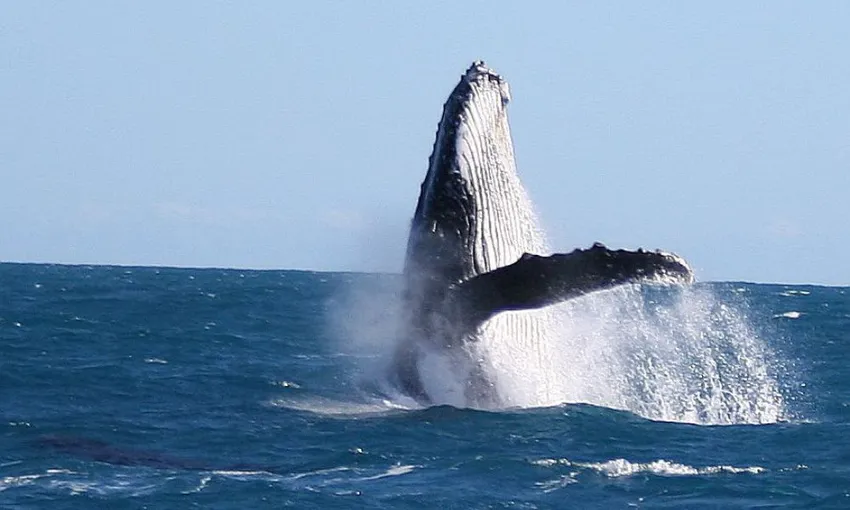
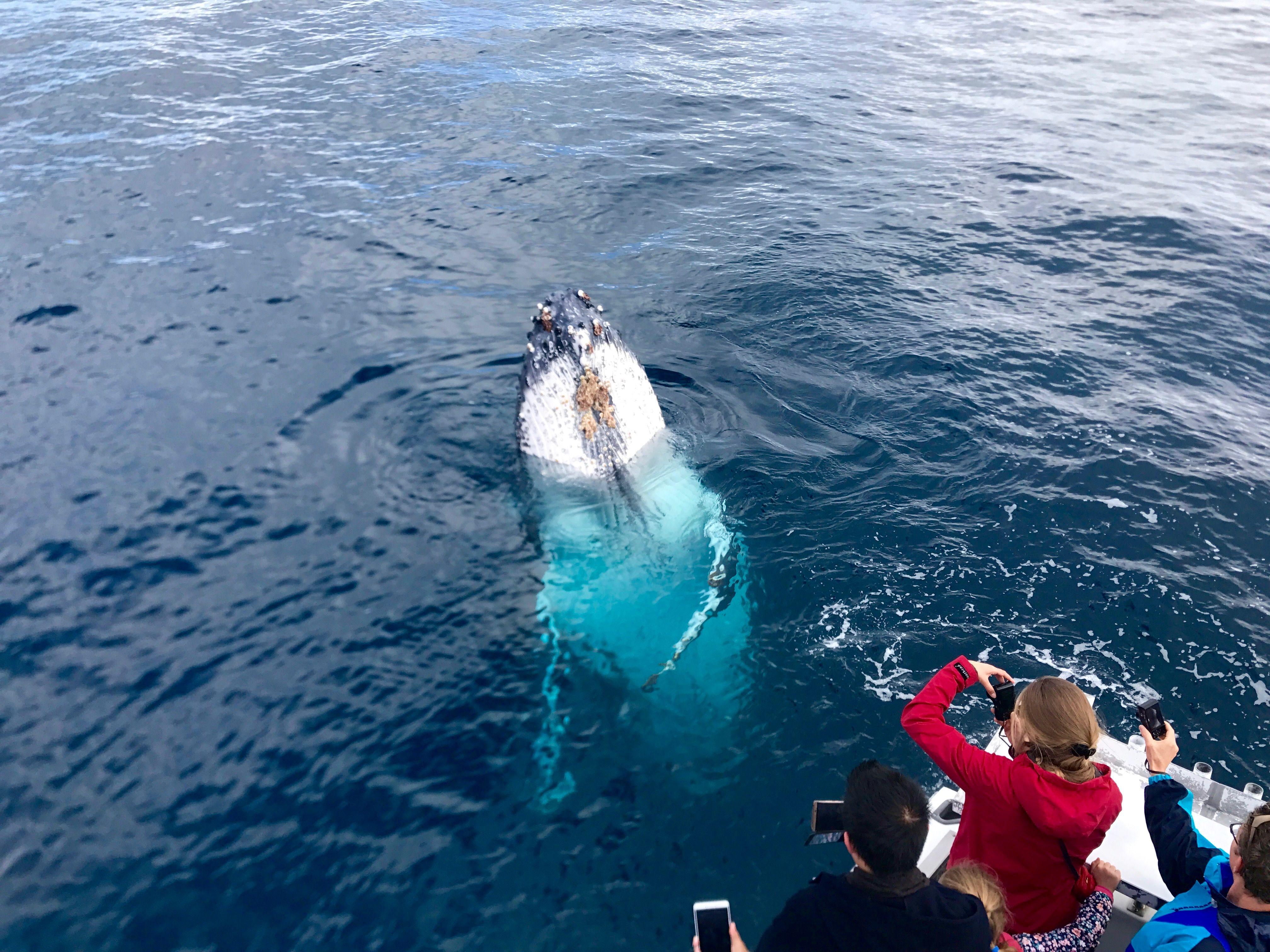
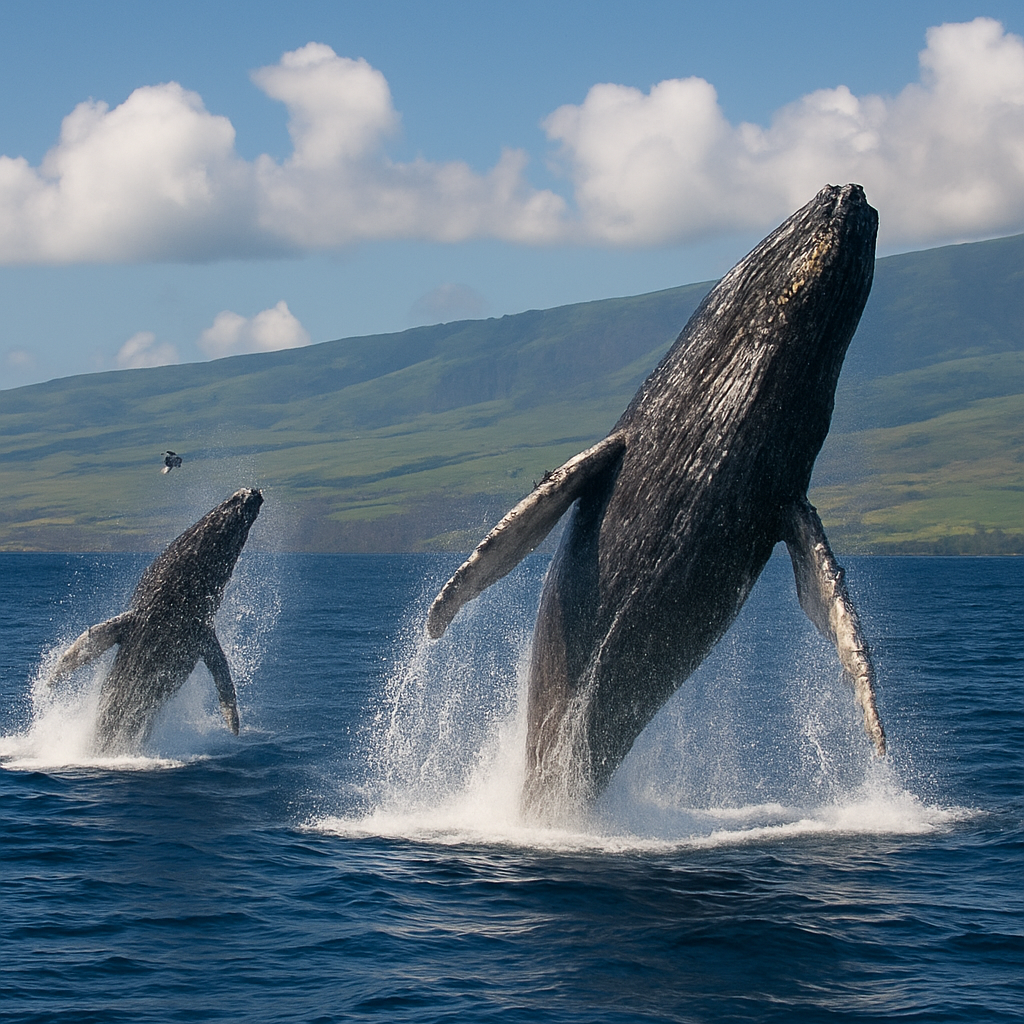
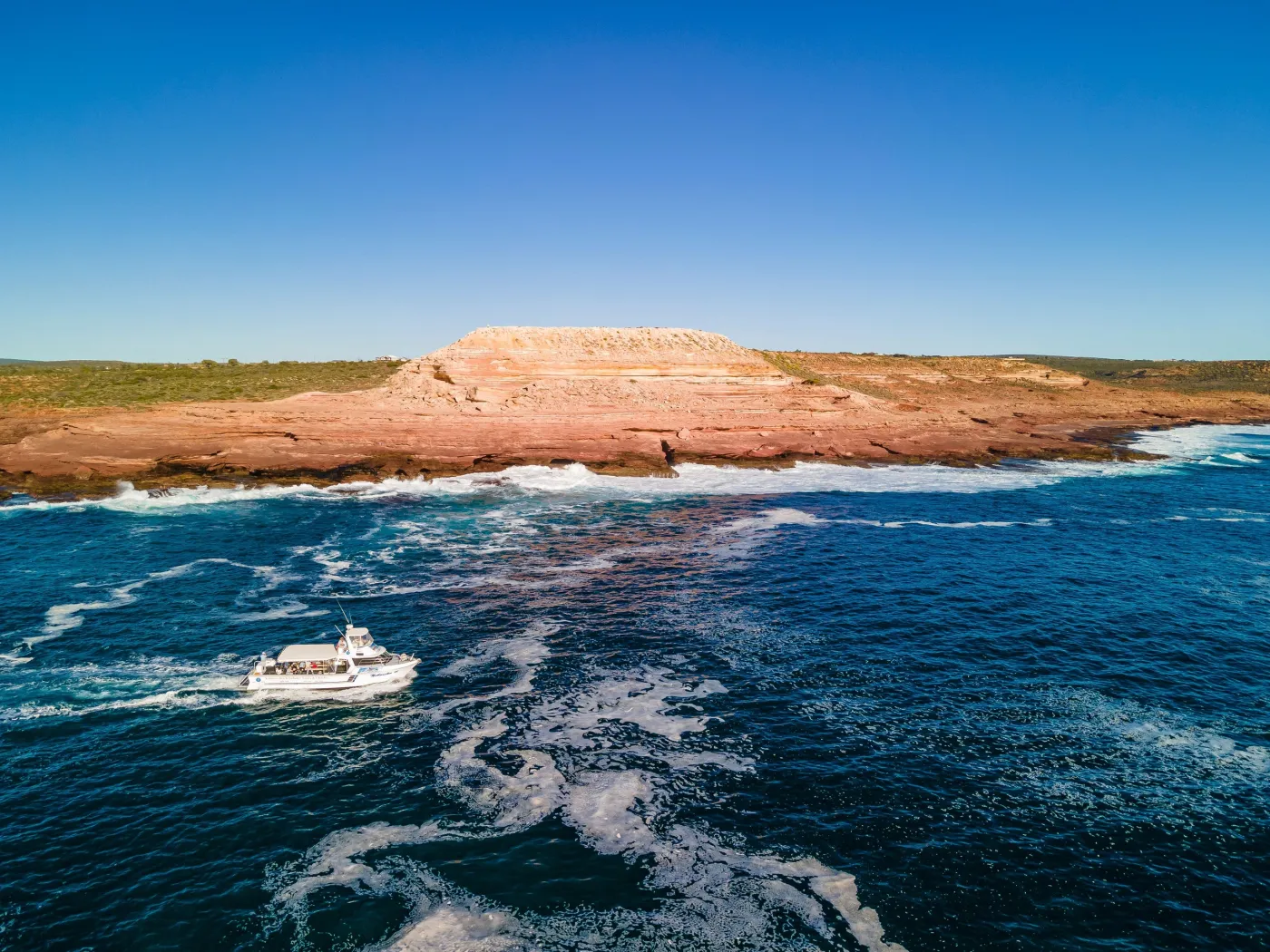
Watch migrating humpback whales frolic in Gantheaume Bay aboard a spacious 50-foot vessel with expert crew
Reserve
Witness the annual procession from clifftops and charter decks, June through November along the Coral Coast.
Hand-picked by our editors — only the best 4 experiences from 11 reviewed.
Verified partners for Kalbarri Whale Watching tours, free cancellation where available, and instant confirmation on every booking.
2 hr 30 min
Watch migrating humpback whales frolic in Gantheaume Bay aboard a spacious 50-foot vessel with expert crew
Reserve
1 hr 30 min
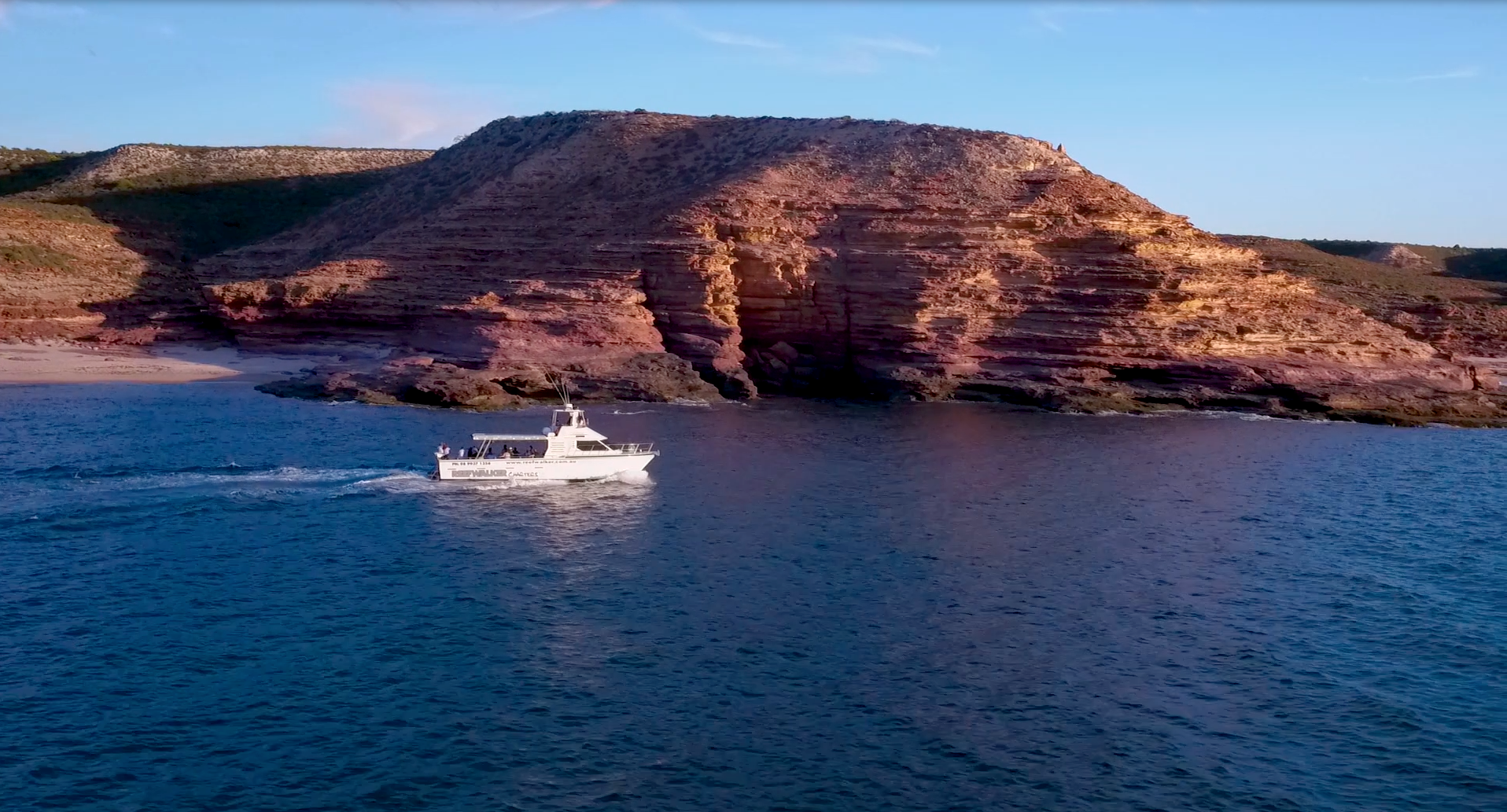
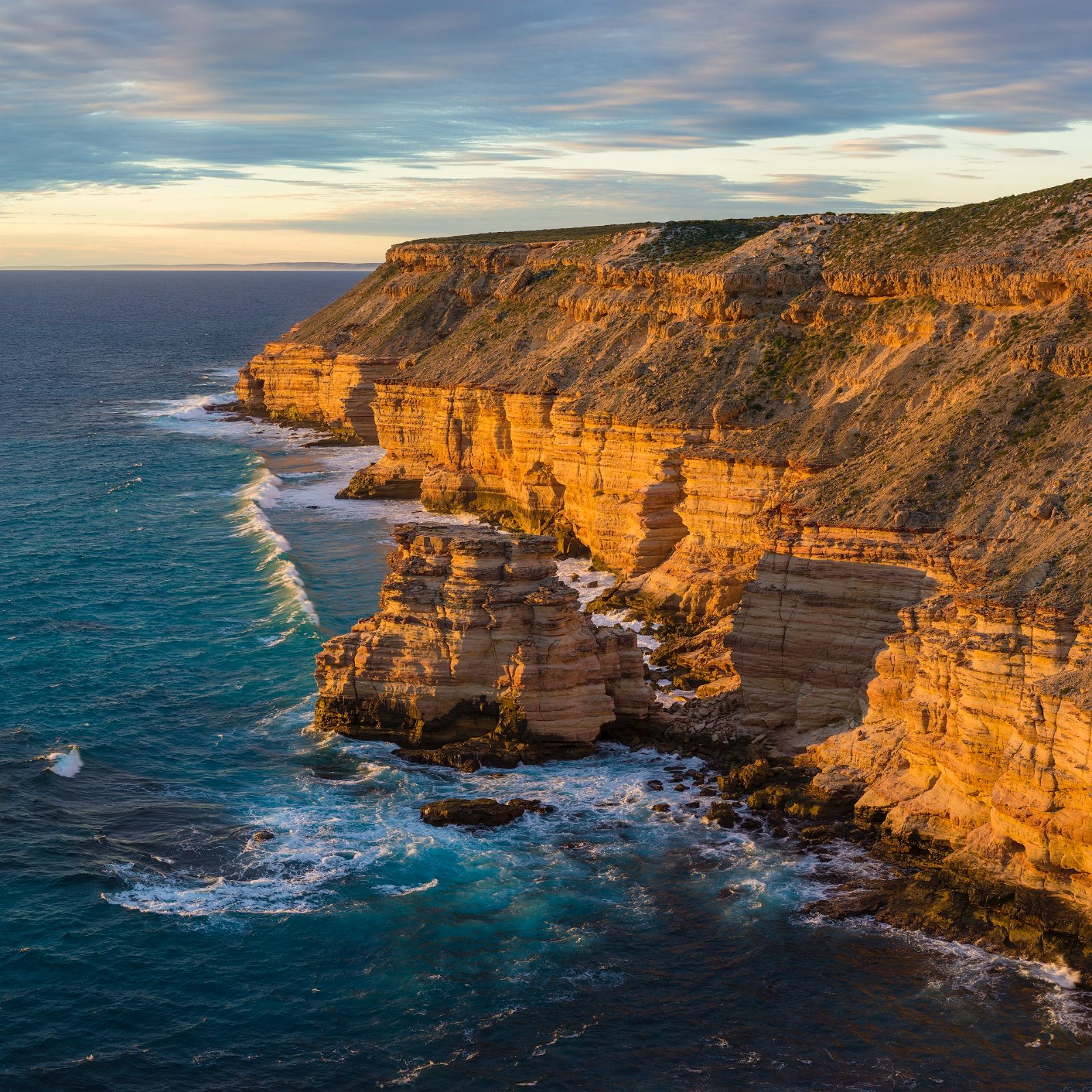
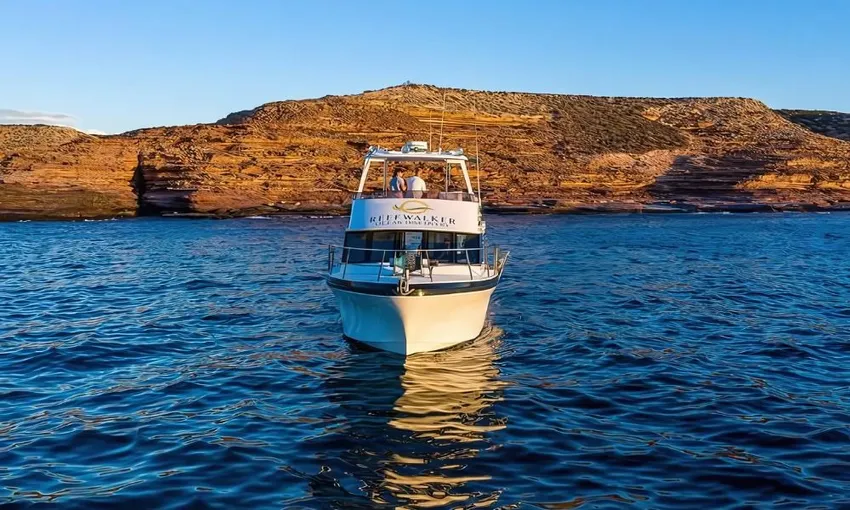
Glide past towering coastal cliffs and iconic rock formations as the sun paints the Indian Ocean gold.
Reserve
2 hr
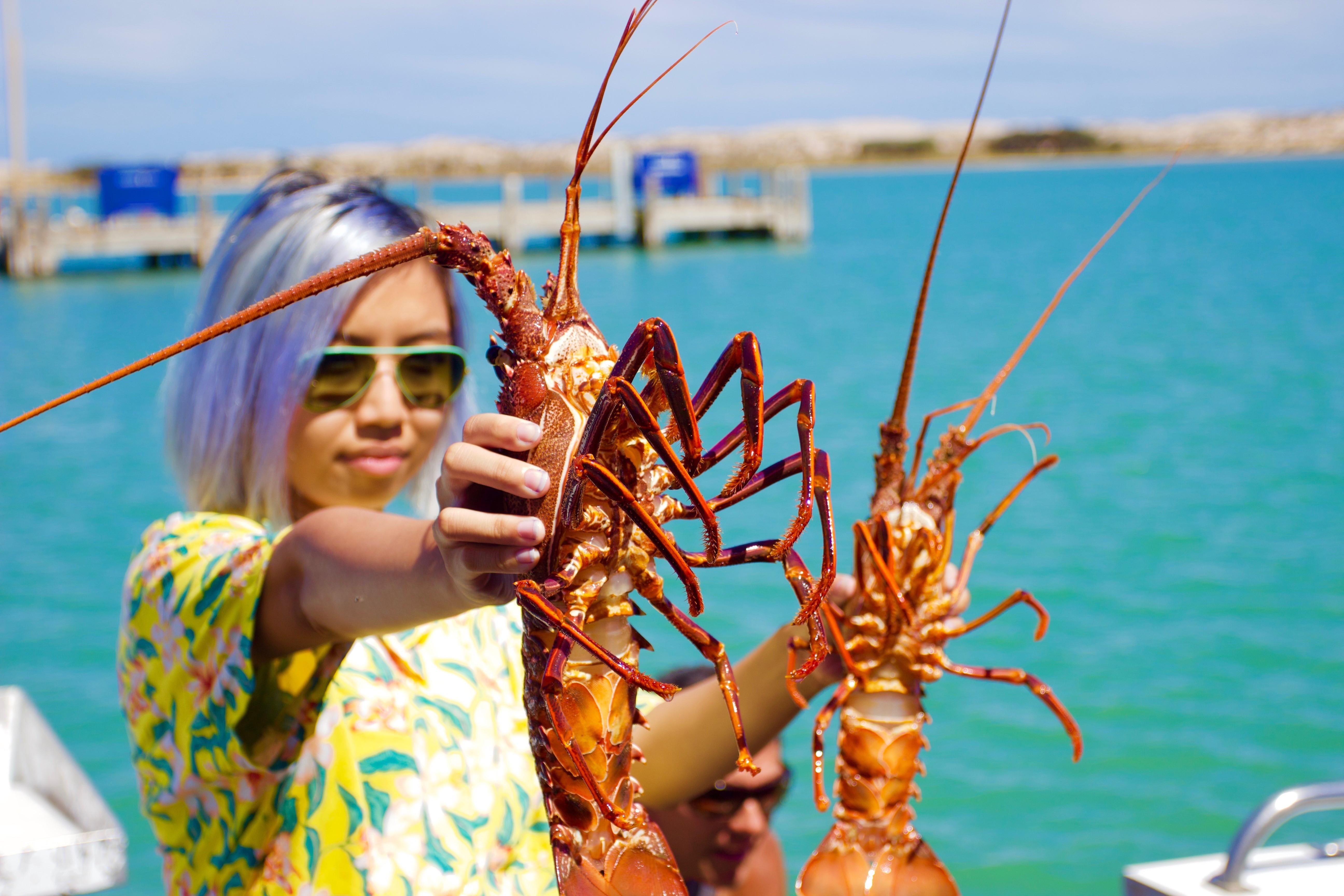
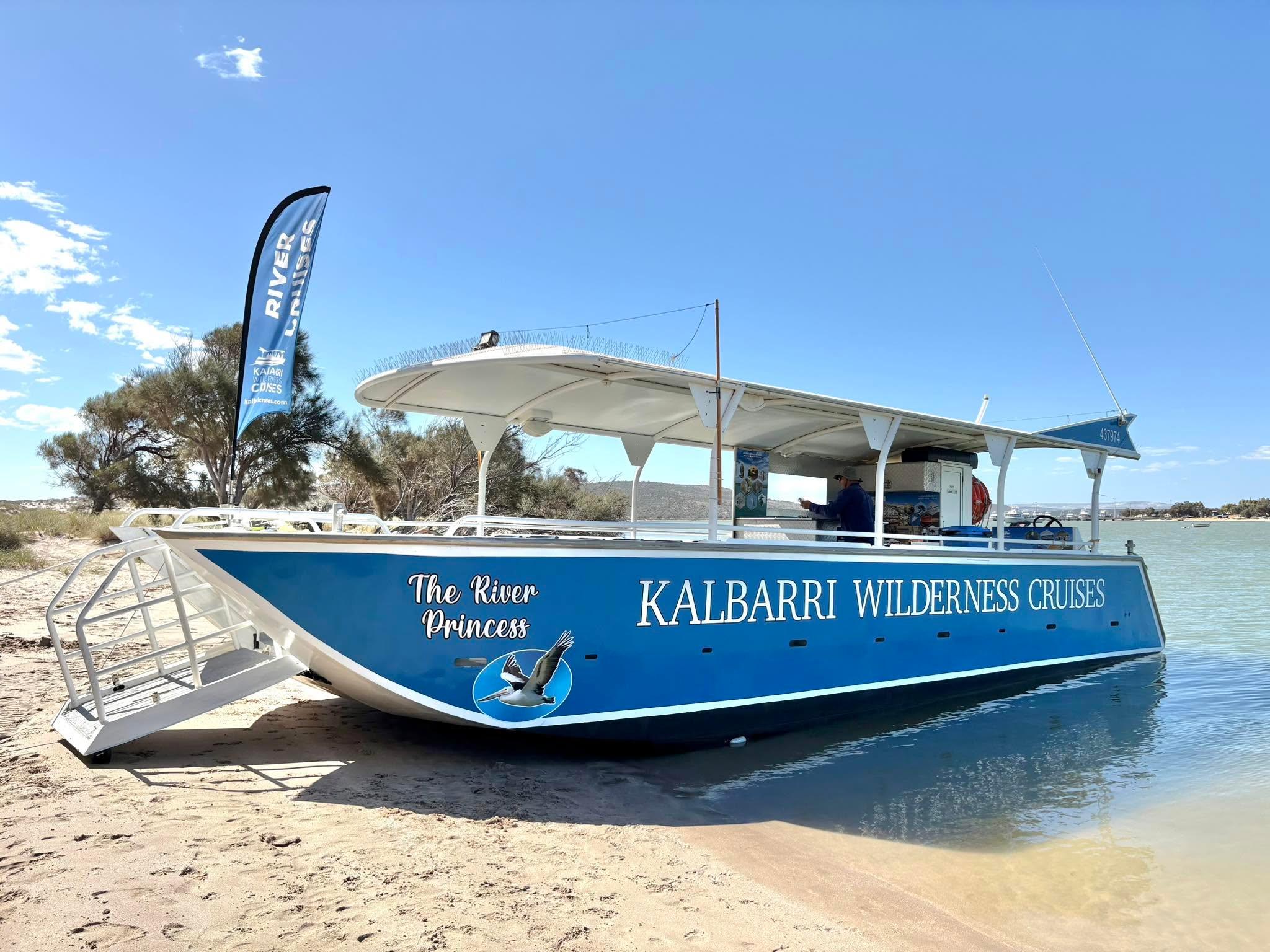
Join a working crew to haul lobster traps from the Indian Ocean and take home your own fresh catch
ReservePrices from verified partners. Availability updates in real time at checkout. Free cancellation policies apply where shown.
The landmarks, rooms, and views travelers on Kalbarri Whale Watching tours remember — all visible on a single visit.
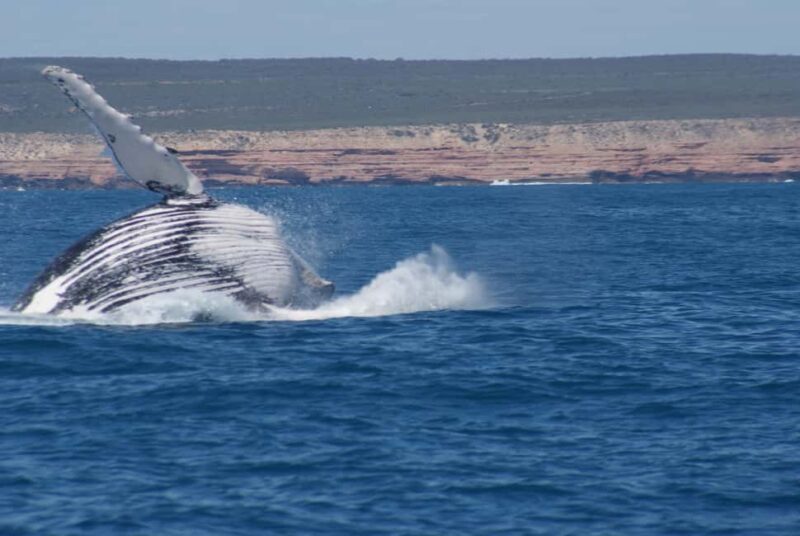
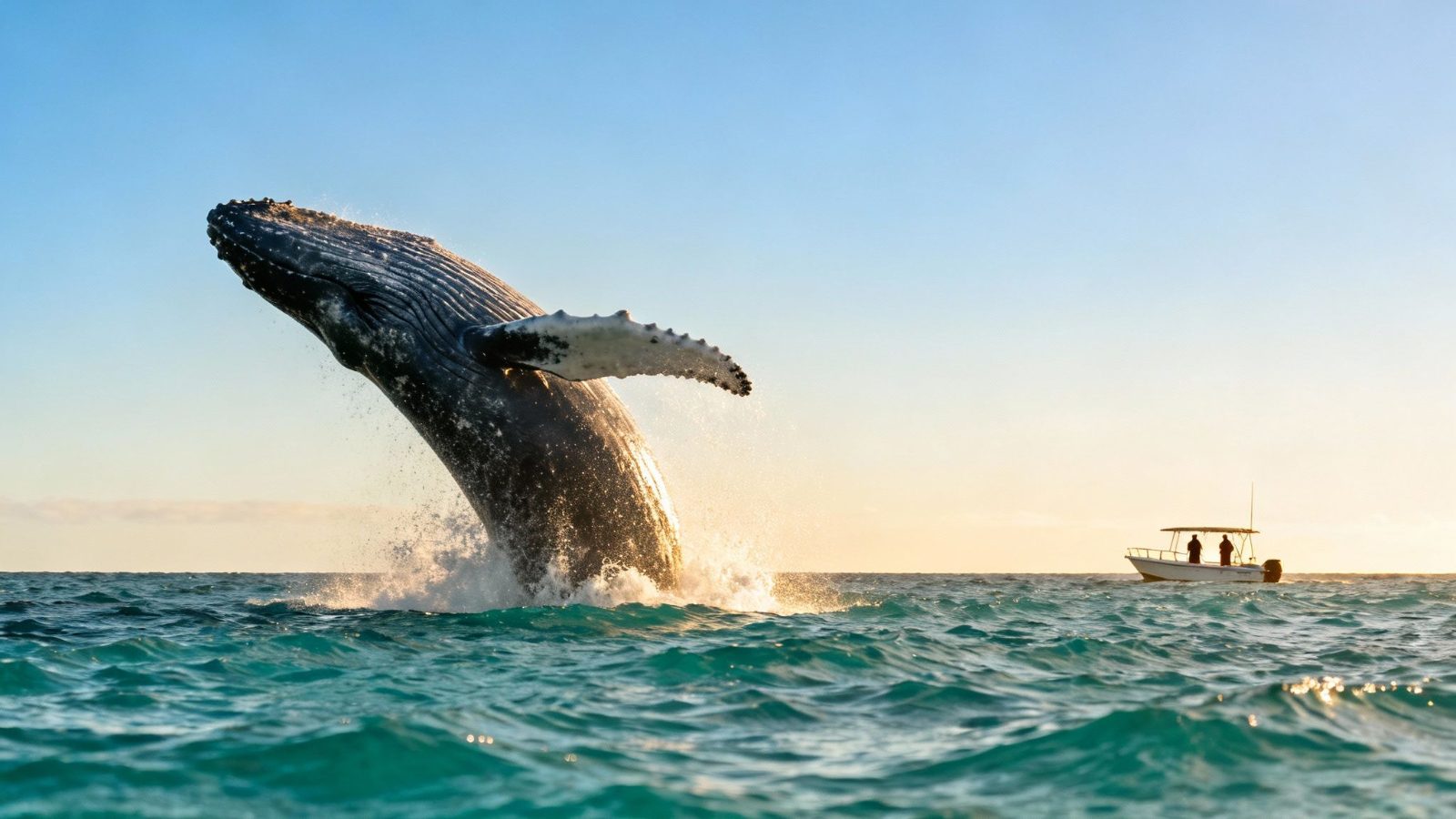
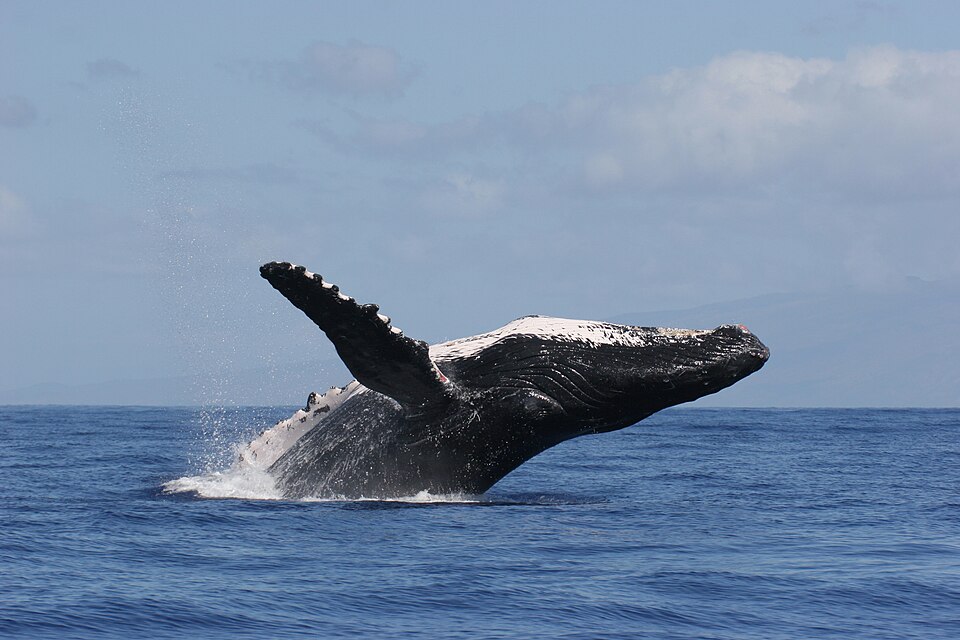
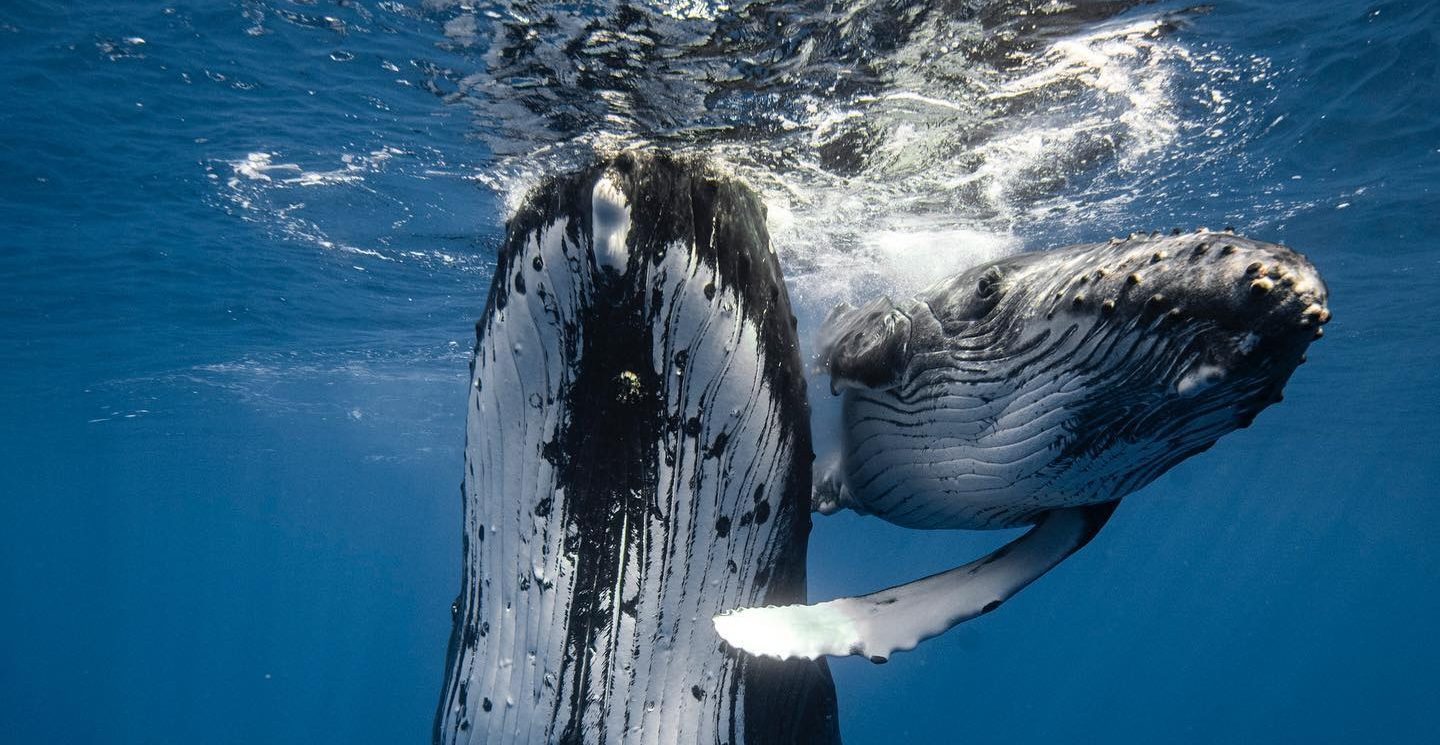
Humpback whales travel past the Kalbarri coast in large numbers annually, often displaying breaching and tail-slapping behaviors.
These elevated limestone cliffs provide expansive views of the Indian Ocean for land-based observation.
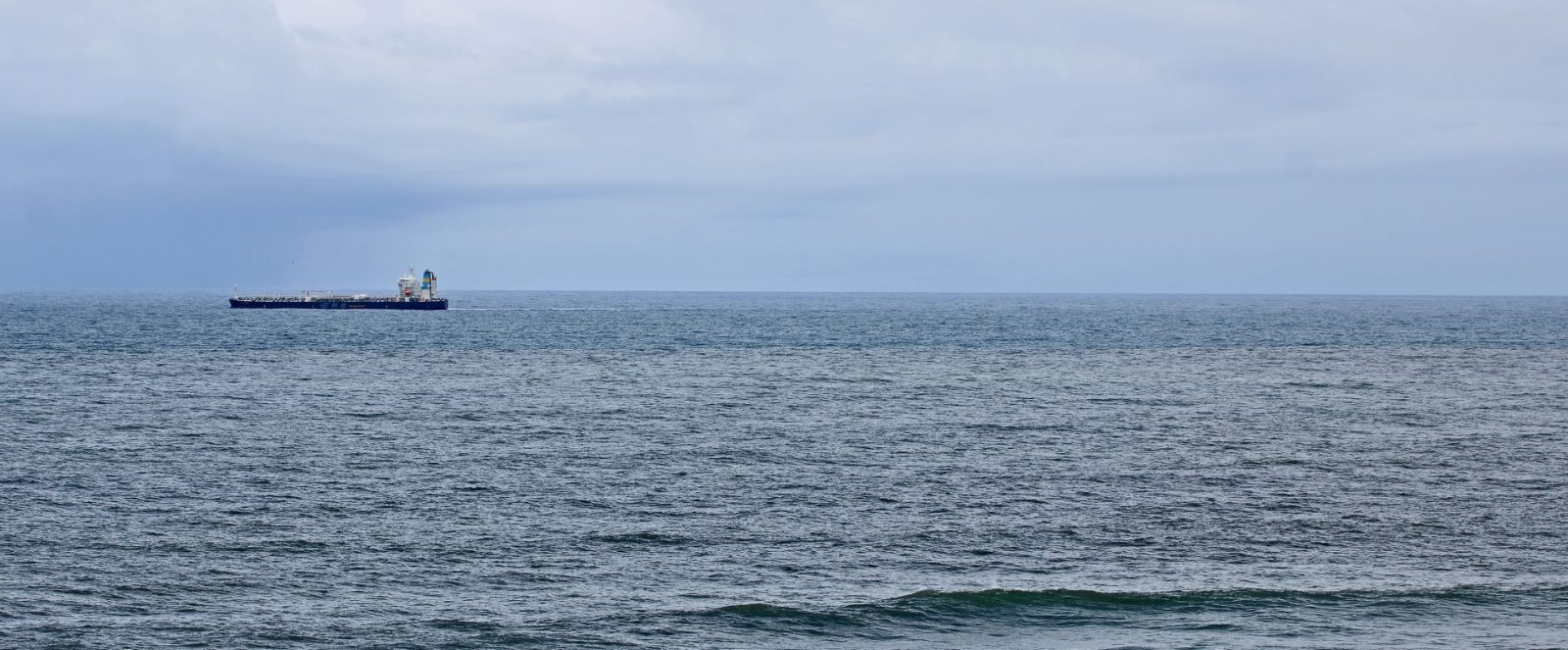
The vast open water is the primary zone where migratory whales are sighted.
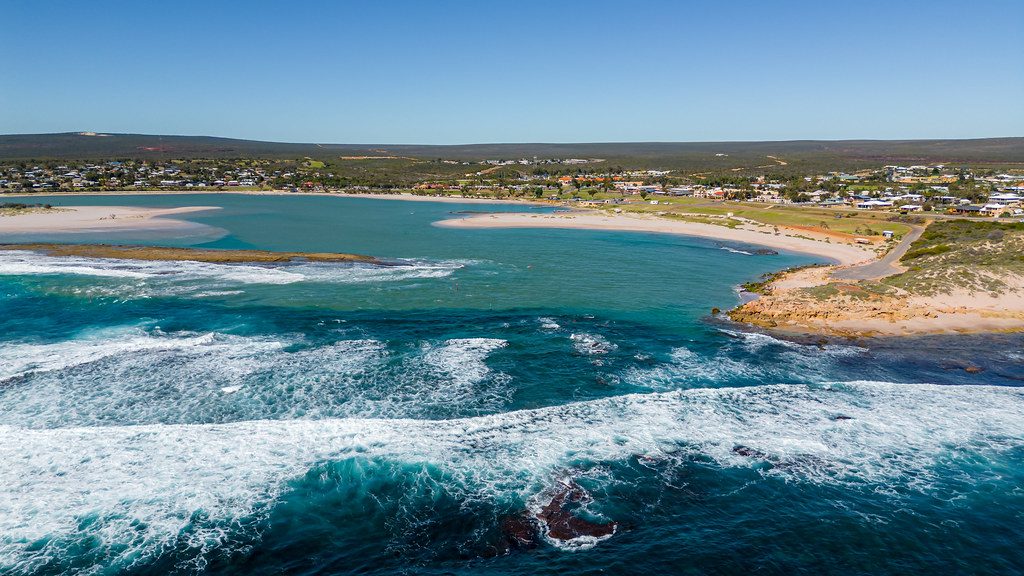
This waterway meets the ocean near the port, creating a unique environment for various marine species.
The area is known for diverse sightings, including dolphins and occasionally other whale species.
Every Kalbarri Whale Watching tour side-by-side — duration, what's included, how you redeem.
| Experience | Duration | Rating | Guide | Small group | Free cancel. | Price | |
|---|---|---|---|---|---|---|---|
|
Standard Entry Most popular
Kalbarri Humpback Whale Watching Experience
|
2 hr 30 min | ★ 4.7 | — | — | ✓ | $68 | Book → |
|
Standard Entry
Kalbarri Sunset Coastal Cliff Cruise
|
1 hr 30 min | ★ 4.8 | ✓ | ✓ | ✓ | $39 | Book → |
|
Standard Entry
Kalbarri Rock Lobster Fishing Experience
|
2 hr | ★ 5.0 | ✓ | ✓ | ✓ | $68 | Book → |
All prices from verified partners. Availability and exact terms confirmed at checkout.
Land-based viewing offers flexibility for those exploring Kalbarri landmarks, while professional boat tours provide a more immersive experience; most visitors who do both find the water-level perspective of kalbarri whale watching tours the more thrilling option.
| Feature | Top pick Land-Based Viewing | Boat Tours |
|---|---|---|
Cost |
0 AUD | 120–250 AUD |
Proximity to Whales |
Long-range (cliffside) | Close-range (vessel-side) |
Viewing Duration |
Unrestricted (self-paced) | 1.5–3 hours |
Equipment Needed |
Binoculars and camera | None (provided by operator) |
Accessibility |
High (cliff trails) | Moderate (boarding required) |
Physical Effort |
Low to moderate | Low |
| See tickets → |
Verdict: Choose land-based observation for budget-friendly freedom, or select a kalbarri whale watching tour for the best chance of securing close-up encounters with migrating pods.
Choose your ticket, select your date, and reserve in under two minutes. Secure checkout handled by our verified partner.
Instant confirmation by email, with a mobile voucher you can save offline. No printing, no queuing at a collection desk.
Arrive at the entrance, show your voucher on your phone, and walk in. Most tickets include priority or skip-the-line access.
Practical details for Kalbarri Whale Watching tickets straight from our verified partners — hours, access, rules, and how to get there.
Kalbarri, WA 6536
Main departure point for boat-based kalbarri whale watching tours.
Open in Google MapsFollow the main coastal highway to Kalbarri, using the dedicated parking at the port.
Dress in warm layers suitable for maritime environments. A windproof jacket is recommended for all kalbarri whale watching excursions regardless of the season.
Passengers on a kalbarri whale watching tour should bring only essential items in soft-sided bags. Large suitcases are generally prohibited due to limited deck space.
Photography is permitted during kalbarri whale watching trips. Use a fast shutter speed to capture humpback whale breaches and tail slaps clearly.
Access to the Kalbarri Maritime Facility is level. Wheelchair accessibility on specific vessels used for kalbarri whale watching tours varies by operator and should be confirmed before booking.
Mobile phone use is allowed, though coverage may be limited offshore. Protect your device with a waterproof case to prevent saltwater damage during your trip.
Children are welcome on most vessels during the kalbarri whale watching season. Life jackets are provided in various sizes and must be worn according to safety regulations.
Most operators allow personal water bottles on board. Longer kalbarri whale watching tour options may include light refreshments, but check specific operator inclusions.
Pets are strictly prohibited on all vessel-based kalbarri whale watching tours. Service animals may be permitted with advance notification to the tour provider.
Sightings of humpback whales are frequent but not guaranteed as these are wild marine mammals. Operators follow strict maritime approach distances to ensure animal welfare.
Kalbarri, WA 6536
Main departure point for boat-based kalbarri whale watching tours.
Get directionsBest time to go, insider tips, nearby landmarks, and the cancellation fine print — flip through to skim what matters to you.
How crowds, weather, and events shift across the year.
Peak time for the northward humpback whale migration along the Western Australian coast.
Ideal for observing mother whales and calves returning south toward colder waters.
Small details that turn a good visit into a great one.
Secure your kalbarri whale watching tickets at least two weeks in advance during peak season.
Choose the 06:00–10:00 window for the calmest sea conditions and ideal light for spotting.
Bring a pair of binoculars to enhance your chances of seeing whale behavior from the vessel deck.
Take preventative measures 30 minutes before boarding your kalbarri whale watching tour to ensure comfort.
Even on sunny days, the ocean breeze makes the air temperature significantly cooler while at sea.
Non-bookable sights within a short walk — free to visit, easy to pair.
Rugged coastal cliffs offering elevated vantage points for land-based whale spotting.
Flexible, no hidden fees.
Individual operators set specific terms for kalbarri whale watching tours, typically requiring 24-48 hours notice for full refunds. Fees for non-refundable tickets may apply if cancellations occur within 24 hours of departure.
Hand-picked options within walking distance — pick a district for vibe, or a specific hotel for convenience.
Features self-contained apartments with easy access to town facilities.
Each winter, humpback whales complete a 10,000-kilometre round journey from Antarctic feeding grounds to tropical breeding waters off the Kimberley, pausing along Kalbarri's rust-red cliffs between June and November.
The coastal shelf narrows here, funnelling northbound mothers and calves within 500 metres of shore—close enough that breaches, tail slaps, and spy-hops register from land without magnification. Red Bluff and Jacques Point form natural amphitheatres where the Indian Ocean meets Tumblagooda sandstone, and the updraft carries exhalations across the heath.
Kalbarri's position on the Coral Coast migration corridor makes it one of Western Australia's most reliable cetacean observation zones. Southbound pods, fattened from calving, linger longer in September and October, resting in the shallow bays and demonstrating courtship behaviours absent during the urgent northward sprint. Charter operators departing from the Maritime Facility offer four-hour excursions that track pods beyond the reef line, while land-based observers require only patience and polarised lenses. The Western Australian Humpback population, decimated to fewer than 500 individuals by 1963 whaling quotas, now exceeds 40,000—a recovery documented annually by Murdoch University cetacean researchers who catalogue fluke patterns from these cliffs.
The geology amplifies the spectacle. Kalbarri's Permian sandstone headlands rise 100 metres above mean high water, providing unobstructed sightlines across 180 degrees of horizon. Morning light rakes the ocean surface at an oblique angle, rendering blows visible at three kilometres. Afternoon onshore winds, generated by the desert hinterland's thermal differential, smooth the chop and improve underwater visibility for snorkellers joining boat-based tours. The absence of commercial ports or shipping lanes within 60 nautical miles means pods move unhurried, mothers breaching beside their calves in behavioural displays that suggest play rather than alarm.
Conservation levies from charter operations fund the Western Rock Lobster Council's marine spatial planning, which designated whale migration lanes free from craypot interference. That coordination, formalised in 2019, reduced entanglement incidents by 73 percent across the Coral Coast and established Kalbarri as a model for low-impact cetacean tourism.

"The coastal shelf narrows here, funnelling northbound mothers and calves within 500 metres of shore—close enough that breaches register from land without magnification."
A step-by-step walkthrough of Kalbarri Whale Watching tickets — what you'll see, how long each stage takes, and the details that matter.
You arrive at the Maritime Facility before sunrise, joining a charter crew loading hydrophones and polarised binoculars onto a 12-metre aluminium catamaran. The skipper briefs on approach protocols—engines cut at 300 metres, no sudden movements—then throttles past the river mouth into open water.
Twenty minutes offshore, a blow erupts 400 metres to starboard: a cow and calf pair surfacing in synchrony, the infant's smaller spout trailing a half-second behind.
The skipper drifts the vessel parallel to their trajectory. You kneel at the bow rail as the calf breaches, twisting mid-air before crashing sideways in a plume of white water. The mother spy-hops, her eye clearing the surface to scan the boat, then sounds with a fluke raise that exposes barnacle clusters and cookie-cutter shark scars. The hydrophone speaker crackles with low-frequency groans—contact calls between separated pod members, the skipper explains, pointing to a second blow 800 metres northeast.
Back onshore by midday, you hike the coastal trail to Red Bluff. A pod of six adults travels south below the cliff line, their blows forming a dotted rhythm against the horizon. You count sixteen breaches in thirty minutes, each whale launching in sequence as though choreographed, their re-entries audible as dull concussions carried on the updraft.
The best months are between June and October during the humpback whale migration season.
It is recommended to purchase kalbarri whale watching tickets in advance to ensure availability.
Yes, the coastal cliffs offer excellent vantage points for land-based observation of marine life.
Operators will typically provide a refund or rebook you on another date if weather forces a cancellation.
Yes, children are welcome, provided they wear appropriate safety gear as directed by crew members.
Dress in layers, bring sun protection, and consider seasickness medication for your kalbarri whale watching adventure.
There are generally no set age restrictions, but parents should ensure children can follow maritime safety instructions.
Most operators allow water and light snacks, though some provide refreshments on longer trips.
The best arrival window is 06:00–10:00 to take advantage of calmer seas and optimal lighting.
Yes, cameras are encouraged, but ensure you keep your equipment secure during the boat trip.